Introduction
The 213 area code holds a special place in Los Angeles history. As one of the original area codes established in the United States, it represents more than just a series of numbers—it’s a symbol of Los Angeles’ growth, diversity, and cultural transformation. Over the decades, the 213 area code has evolved alongside the city itself, reflecting population booms, technological advancements, and shifts in communication trends.
The Birth of the 213 Area Code
The 213 area code was first introduced in 1947 as part of the North American Numbering Plan (NANP). At that time, California had only three area codes—213 for Southern California, 415 for Northern California, and 916 for the Sacramento region. The 213 area originally covered the entire southern portion of the state, including Los Angeles, San Diego, and several neighboring counties.
In the mid-20th century, Los Angeles was beginning to expand rapidly. The post-war boom brought in new residents, businesses, and infrastructure. As more telephone lines were needed, the demand on the 213 area code grew. This marked the beginning of a long process of splits and changes that would define its history.
Area Code Splits and Expansions
By 1951, the first major change occurred when the 714 area code was created, covering Orange County and parts of Southern California. This allowed 213 to focus more on the Los Angeles metropolitan area. However, the city’s continued population surge throughout the 1960s and 1970s led to further splits.
In 1984, the 818 area code was introduced to serve the San Fernando Valley. A few years later, in 1991, the 310 area code was established to handle the western and coastal regions, including Beverly Hills and Santa Monica. Each split reflected Los Angeles’ dynamic growth and the increasing demand for telephone service in both homes and businesses.
The 213 and 323 Overlay
By the late 1990s, the 213 area code had become geographically smaller, focusing primarily on downtown Los Angeles and its immediate surroundings. However, even this area saw a surge in phone usage due to the rise of cell phones, fax machines, and internet connections.
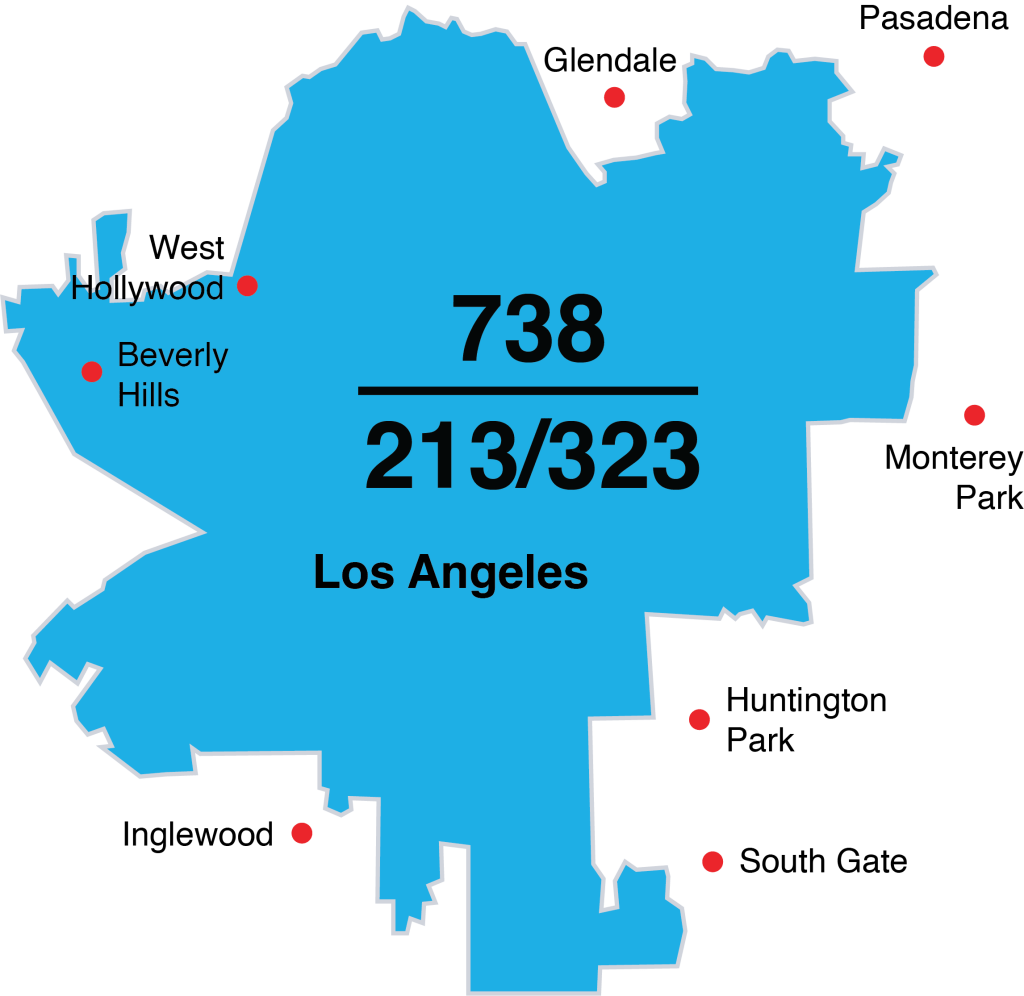
In 1998, the 323 area code was introduced as a split from 213, covering surrounding neighborhoods such as Hollywood, East Los Angeles, and parts of Silver Lake. This division helped manage the high demand for numbers. Eventually, as both 213 and 323 approached capacity, an overlay plan was implemented in 2017, allowing both area codes to coexist within the same region. This means residents could have either a 213 or a 323 number, regardless of their specific location within central Los Angeles.
Cultural Significance of the 213 Area Code
Beyond its technical history, the 213 area code has also become a cultural icon. It represents the heart of Los Angeles—downtown, Koreatown, and the historic core. For many Angelenos, having a 213 number carries a sense of pride and authenticity. It’s often seen as a badge of belonging to the original Los Angeles before its many area code divisions.
The 213 area code has been referenced in music, movies, and pop culture, symbolizing the city’s energy and influence. Artists and residents alike recognize it as a marker of local identity and a nod to LA’s deep roots in communication and creativity.
Conclusion
The history of the 213 area code tells the story of Los Angeles itself—growing, evolving, and adapting with time. From its origins in 1947 to its present-day coexistence with 323, the 213 area code remains a cornerstone of the city’s identity. More than just a number, it represents connection, community, and the ever-changing spirit of Los Angeles.
Visit https://areacodesusa.org/213-area-code for more information.
 213 Area Code